


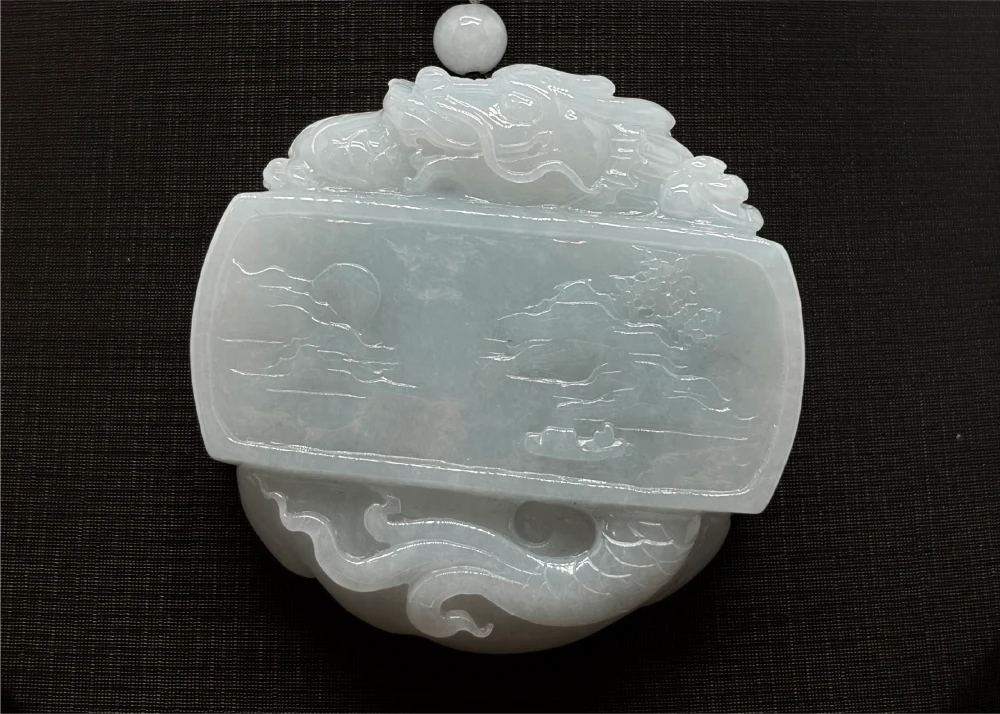
Jadeite vs Nephrite: Understanding the Difference Before You Buy
Jade is often spoken of as a single material, but in gemology, the term refers to two distinct minerals: jadeite and nephrite. While both are valued and culturally significant, they differ substantially in composition, rarity, and market perception.
Understanding this distinction is essential for buyers seeking clarity, authenticity, and informed decision-making.
Two Different Minerals, One Common Name
From a gemological perspective, jade consists of:
- Jadeite: A pyroxene mineral composed primarily of sodium and aluminium
- Nephrite: An amphibole mineral composed mainly of calcium and magnesium
Despite their similar appearance, jadeite and nephrite differ fundamentally in crystal structure and physical properties (GIA, n.d.).
Why Jadeite Is Considered Rarer
Jadeite forms under extreme geological conditions, requiring high pressure and relatively low temperature. These conditions are far less common than those that produce nephrite, making jadeite significantly rarer by comparison (Gübelin Gem Lab, 2015).
High-quality jadeite is sourced primarily from Myanmar and is recognised internationally as a precious stone. Nephrite, while durable and historically important, is more widely available.
Differences in Appearance and Material Qualities
Although both materials can appear similar, careful observation reveals key differences:
- Jadeite
- Often brighter and more vivid in colour
- Can exhibit higher translucency
- Displays a finer, more compact texture
- Often brighter and more vivid in colour
- Nephrite
- Typically more subdued in colour
- Generally opaque to semi-translucent
- Has a fibrous texture rather than granular
- Typically more subdued in colour
These differences arise from the way each mineral crystallises at a microscopic level (NGI, n.d.).
Durability and Wearability
Both jadeite and nephrite are tough materials suitable for jewellery. However, their toughness is derived differently:
- Nephrite’s fibrous structure gives it exceptional resistance to breaking
- Jadeite’s tightly interlocking crystals provide both durability and the ability to achieve finer polish and translucency
In fine jewellery, jadeite is often preferred for its balance of strength, refinement, and visual depth (GIA, n.d.).
Market Value and Collectability
Jadeite is generally regarded as the more valuable of the two, particularly in its untreated, natural state. Collectors and discerning buyers prioritise jadeite for:
- Rarity
- International recognition
- Long-term desirability
- Higher value retention
Nephrite, while culturally and historically significant, occupies a different position in the market and is typically valued differently.
Transparency and Labelling
Because “jade” is often used broadly in retail settings, buyers should seek clarity on which material is being offered. Reputable jewellers disclose whether a piece is jadeite or nephrite and provide documentation where applicable.
Independent gemological certification offers assurance and helps prevent misrepresentation.
Closing Thought
Understanding the difference between jadeite and nephrite allows buyers to align expectations with intention. Knowledge brings clarity, and clarity leads to confident selection.
References
- Gemological Institute of America. (n.d.). Jadeite and Nephrite: What’s the Difference?
- Gübelin Gem Lab. (2015). Jadeite and Nephrite: Formation and Characteristics.
Nanyang Gemological Institute. (n.d.). Introduction to Jade Materials and Classification.